Guide To Co-Living Spaces in Bangalore
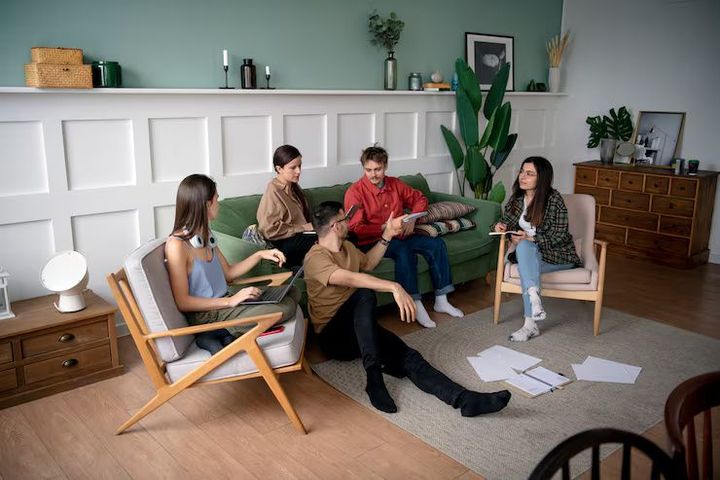
Co-living refers to shared residential accommodations where individuals live in private rooms but share common spaces such as kitchens, lounges, work areas, or recreational zones. The concept grew as urban populations expanded, housing demand increased, and people sought flexible living arrangements. In large Indian cities, especially Bangalore, co-living emerged as a response to rising urban migration, lifestyle changes, and the preference for community-focused living.
Bangalore’s position as a major technology and research hub draws students, working professionals, entrepreneurs, and remote workers from across India. Many individuals arriving in the city seek living arrangements that are simple to manage and easy to move into. This created conditions where co-living gradually became a widely accepted housing format. Shared spaces also appeal to residents looking for social interaction and collaborative environments, which conventional rentals do not always offer.
Co-living is not a new concept globally, but Bangalore’s adoption gained momentum over the past decade. Demand has been influenced by changing family structures, increased mobility, and a shift toward community-oriented living preferences. Young residents moving to the city often look for flexible arrangements that support modern urban lifestyles, making co-living an increasingly visible part of the city’s housing ecosystem.

Importance: Why co-living matters today and who it affects
Co-living has become significant for a diverse group of people, including individuals relocating for education, research, or professional work. It matters because it offers structured and organized living environments in areas where housing demand is consistently high. For many newcomers, navigating traditional rental arrangements in large cities can be confusing, time-consuming, or unpredictable. Co-living spaces help address this gap by offering more predictable and standardized arrangements.
The growing interest in shared living is linked to several urban challenges, such as housing shortages, long commute times, and increasing demand for managed accommodation. With Bangalore’s expanding population, many people look for simple housing options located near technology hubs, research parks, or educational institutions. Co-living provides a living format that helps reduce the stress associated with relocating, especially for individuals who frequently change cities or require temporary accommodation.
Another important factor is social well-being. Many people relocating to large cities experience isolation. Co-living communities support interaction, group activities, and shared responsibilities, making it easier for residents to adjust, especially for newcomers who may be living away from home for the first time. This model is also important for professionals who prioritize collaborative environments where networking and community engagement are naturally encouraged.
The relevance of co-living also extends to companies and institutions that observe improved well-being among individuals staying in structured accommodation. This living model ultimately supports smoother integration into the city’s social and professional environment, making it an important part of Bangalore’s urban housing landscape.
Recent updates: Trends and developments from the past year
Co-living in Bangalore has seen several developments over the last year, shaped by lifestyle changes and evolving urban priorities. In 2024 and early 2025, three noticeable trends emerged:
Shift toward hybrid-working-friendly spaces
Many co-living providers added or expanded shared work areas due to the continued interest in hybrid and remote working models. Spaces with ergonomic seating, high-speed connectivity, and quiet zones became more common as more professionals sought environments supporting productivity.
Increased demand in key technology corridors
Areas such as Whitefield, Bellandur, Electronic City, Koramangala, and Hebbal saw rising occupancy as more residents searched for accommodation near technology parks and research zones. According to property intelligence reports released in August 2024, co-living occupancy in these regions increased as new campuses and infrastructure projects advanced.
Focus on community-led living
2024–2025 saw a growing preference for community activities, shared interest groups, and collaborative environments. Many co-living communities introduced events and interactive experiences as residents looked for socially supportive environments, especially individuals moving from smaller towns.
Sustainability-oriented features
From mid-2024 onwards, several new co-living developments in Bangalore began integrating sustainability features such as energy-efficient appliances, water-saving systems, and waste-management programs. These updates aligned with broader urban sustainability goals.
Below is a table summarizing prominent co-living trends in Bangalore during 2024–2025:
| Trend (2024–2025) | Impact on Residents |
|---|---|
| Hybrid working zones | Better support for remote and flexible work |
| High-demand tech corridors | Shorter commute time for professionals |
| Community-inclusive activities | Improved social engagement |
| Sustainability initiatives | Environmentally conscious living spaces |
Laws or policies affecting co-living in Bangalore
Co-living in Bangalore is influenced by a combination of housing regulations, municipal guidelines, and rental-related rules under Karnataka law. While there is no single, dedicated policy for co-living, the model operates under several existing frameworks.
Karnataka Rental Regulations
The Karnataka Rental (Regulation) Act, 2019 guides rental arrangements in the state. It outlines tenant-landlord responsibilities, dispute-resolution mechanisms, and documentation norms. Co-living operators and residents generally follow these provisions when drafting rental agreements for private rooms or shared spaces.
Municipal Guidelines
Local municipal rules determine property usage, building safety norms, occupancy limits, and waste-management requirements. Co-living properties must comply with building codes and zoning rules set by authorities such as the Bruhat Bengaluru Mahanagara Palike (BBMP).
Fire and Safety Standards
Buildings offering shared accommodation must follow fire-safety norms under Karnataka Fire Services rules, including emergency exit provisions, alarms, and regular inspections.
Data Protection and Privacy Considerations
Operators handling resident information must comply with India’s evolving data-governance frameworks. Although India’s digital data laws are still developing, organizations are expected to follow responsible data-handling practices.
Women’s Safety Regulations
Certain guidelines, including those issued in earlier years for working women’s hostels, influence safety measures in co-living spaces. This includes visitor protocols, security arrangements, and grievance redress systems.
While co-living remains a relatively flexible housing model, the regulatory landscape ensures safety, documentation, and responsible living conditions for residents.
Tools and resources related to co-living in Bangalore
Several tools, websites, and resources can help individuals explore co-living options, understand rental norms, and plan relocation smoothly in Bangalore. These tools support informed decision-making by providing location insights, rental expectations, commute planning, and neighborhood data.
Location Intelligence and Mapping Tools
-
Google Maps – Helps evaluate commute time and nearby amenities.
-
Mappls – Provides detailed area insights and navigation support.
-
OpenStreetMap – Useful for researching surrounding neighborhoods.
Neighborhood Research Tools
-
Housing index platforms offering information on locality trends.
-
Crime mapping tools that highlight safety statistics for specific zones.
Checklists and Templates
-
Room inspection checklists
-
Lease document review templates
-
Move-in and move-out inventory lists
These tools help residents ensure that documentation and physical conditions are clearly evaluated.
Urban Transport Apps
-
Namma Metro information portals
-
BMTC bus route planners
These help residents estimate travel time between co-living locations and workplaces.
Utility and Bill Tracking Apps
-
Apps supporting household utility management
-
Tools for organizing shared responsibilities
Community Platforms
-
Online forums discussing neighborhoods in Bangalore
-
Resident community platforms for shared living guidance
Combined, these resources help individuals gain clarity about local conditions, evaluate accommodation options, and understand their responsibilities before moving into co-living spaces.
FAQs
What is the main purpose of co-living spaces in Bangalore?
Co-living spaces support individuals who require structured shared living arrangements in a large, fast-growing city. They help residents adapt quickly without navigating complex rental processes and provide an environment suited to modern, flexible living.
Are co-living spaces suitable for long-term stays?
Yes, many residents choose co-living for extended periods because it offers predictable arrangements and community-oriented living. The suitability depends on personal preferences and the type of environment a resident prefers.
Which areas of Bangalore commonly feature co-living accommodation?
Popular areas include Koramangala, Whitefield, Electronic City, Bellandur, HSR Layout, Hebbal, and Yelahanka. These regions are known for having educational institutions, technology hubs, and urban amenities nearby.
Do co-living spaces follow safety and regulatory guidelines?
Yes, they operate under state rental rules, building guidelines, and safety standards. Compliance with fire-safety norms, municipal regulations, and documentation requirements helps ensure safe and responsible living conditions.
What should residents check before choosing a co-living space?
Residents typically review location suitability, documentation clarity, neighborhood access, commute time, shared space conditions, and community guidelines. Using inventory lists and inspection templates can be helpful before moving in.
Conclusion
Co-living spaces have become an important part of Bangalore’s urban housing system as the city continues to attract students, researchers, and professionals from across India. The model offers structured shared living environments that align with modern lifestyles, especially for people who value community-based experiences and flexible living arrangements. With evolving trends such as hybrid work, sustainability, and community engagement, co-living continues to adapt to the needs of residents. Understanding recent updates, regulations, and available tools helps individuals make informed choices while exploring this living format.